AI models trained on millions of flight scenarios detect micro-abnormalities invisible to human operators. Unlike rule-based systems, neural networks recognize emerging threat patterns—such as non-standard GPS spoofing techniques—without relying on predefined templates, enabling proactive identification of novel threats.
Multi-layered processing stacks merge inputs from radar, thermal cameras, and acoustic sensors into unified threat assessments. Powered by edge computing, these systems achieve sub-200ms response times for drones traveling at 120 mph within a 1 km range, ensuring timely intervention in high-speed scenarios.
Leading systems incorporate human-in-the-loop verification for high-risk scenarios and feature automated failover to alternate detection modalities if primary AI models are compromised by adversarial machine learning attacks. This hybrid approach ensures less than 5% performance variance across diverse conditions, including weather fluctuations, urban terrain, and signal congestion.
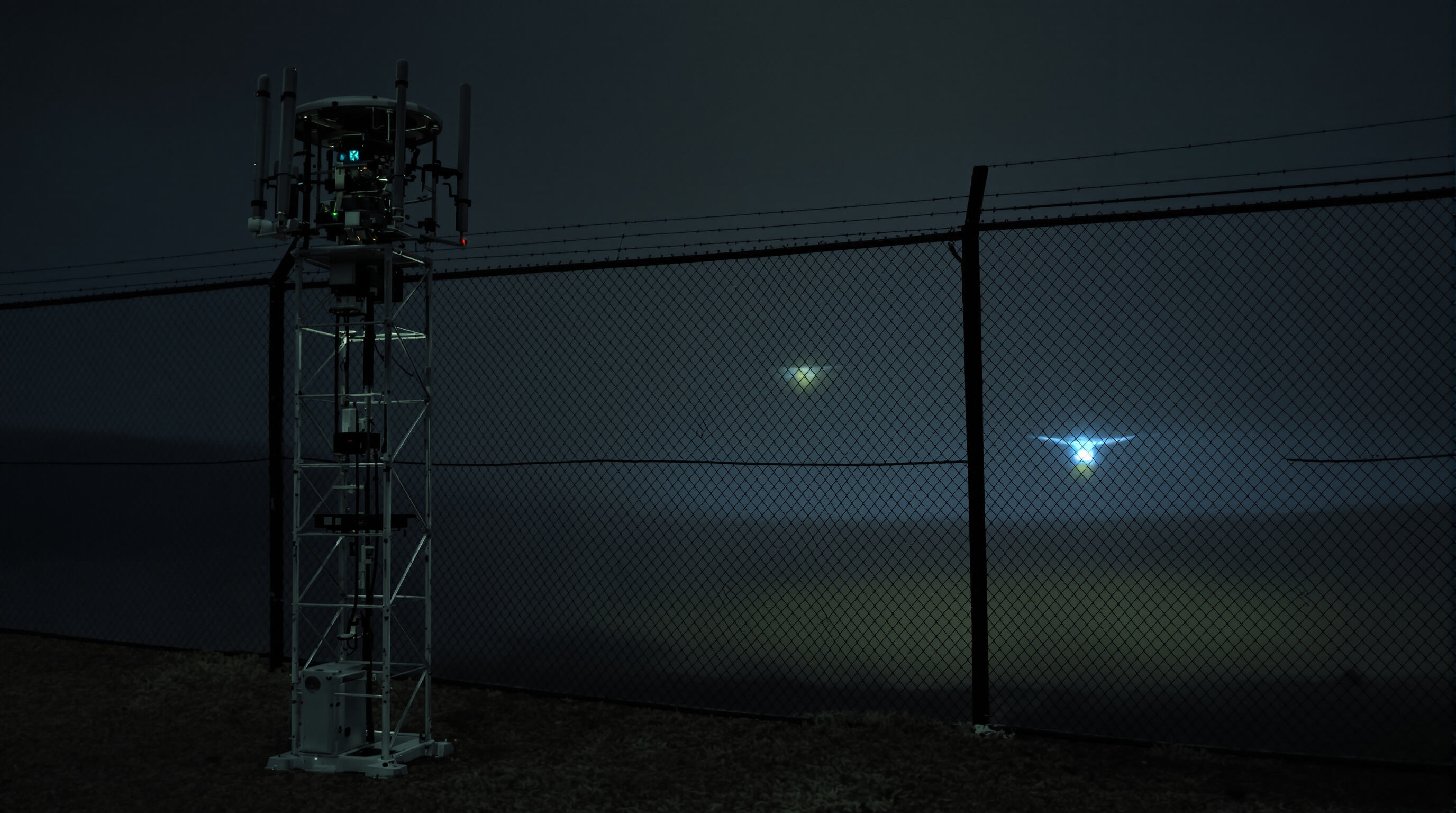
Today's sophisticated anti-drone defenses depend heavily on combining multiple sensor types since relying on just one technology often falls short. These systems bring together radar capabilities, radio frequency detectors, plus electro optical and thermal sensing equipment to create comprehensive surveillance against drones. The radar component can spot objects from quite a distance away sometimes as far as five kilometers out. Meanwhile RF scanners pick up those pesky control signals while thermal imaging helps confirm targets even when visibility is poor at night or during foggy conditions. Research published last year in the journal Sensors showed something pretty interesting too the combination approach cuts down on false alerts by around half compared with systems that only use one type of detection method.
Radar systems are pretty good at spotting those tiny drones from afar, though they tend to miss out on stationary objects completely. That's where RF sensors come into play, picking up on unique control signals like digital fingerprints. Electro optical cameras then step in to actually see what's going on visually. Thermal imaging really shines when visibility drops though. Back in 2022 during an urban security test run, combining all these different sensor types resulted in catching 94 percent of threats even through thick smog that blinded every single standalone device. Makes sense why defense contractors keep investing heavily in multi sensor solutions these days.
Signal intelligence (SIGINT) modules analyze communication protocols to distinguish commercial drones from hostile UAVs. When paired with directional jammers, they disrupt navigation and video feeds at ranges up to 3 km without affecting adjacent frequencies. This targeted approach minimizes collateral disruption—essential for airports and critical infrastructure.
Modern anti-drone defenses now incorporate artificial intelligence into their electronic warfare capabilities, allowing them to shut down rogue UAV communications almost instantly. The systems work by interfering with those tricky frequency-hopping signals and GPS navigation used by most consumer drones today. When this happens, operators lose control over their flying devices mid-flight, which is exactly what happened in several recent security breaches across major cities last year according to Future Market Insights report from 2024. Cities that have implemented these technologies report something pretty impressive too. Tests conducted in actual urban environments showed they could stop around 9 out of every 10 commercial drones trying to breach restricted airspace thanks to smart jamming methods developed by Euro-SD back in 2025.
Real-time threat neutralization relies on multi-spectral sensor integration that tracks hostile drones across RF and thermal signatures. Security teams receive unified battlefield visualizations, enabling automated countermeasures like directional RF suppression within 0.8 seconds of detection—60% faster than conventional manual systems.
Modern anti-drone tech relies on modular C-UAS designs that can be adapted to different situations. The military tends to go big with multiple sensors that are built to withstand attempts at jamming or spoofing signals. Cities and towns meanwhile often stick with smaller setups featuring compact radar units alongside radio frequency detectors around their borders. According to research published in 2023 by folks at the Aerospace Security Project, these flexible system designs actually cut down on integration expenses by about 41 percent when combining different types of defenses together. What makes all this work so well is runtime optimization software that lets these systems run on pretty much any hardware platform available today whether its massive server farms or tiny internet connected gadgets scattered throughout an area needing protection.
Deployable C-UAS units combine SWaP-optimized sensors (sub-15 kg payloads) with AI edge processors for mission-critical mobility. Highway patrol units use roof-mounted jamming systems with a 1.2 km effective range, while tactical teams employ backpack-portable RF analyzers that achieved 94% threat detection accuracy in field tests.
The best modern anti-drone tech works really well because it plays nicely with other security systems already in place. Top notch solutions hook up with things like existing cameras, motion detectors around the perimeter, and building access systems. All these pieces start working together to handle threats faster. Take AI powered detection systems for instance. When some rogue drone flies into restricted areas, these smart systems can actually tell nearby cameras to point at the intruder and kick off lockdown procedures automatically. The big plus here is that there's no need for humans to run around coordinating everything manually. Plus, these new systems still work with older equipment too. That matters a lot for places like airports and military installations where they want to upgrade without throwing away all their current hardware.
Air defense across multiple domains relies on linked counter-drone defenses that exchange information about threats as they happen. These systems bring together things like radar monitoring, radio frequency blocking, and electronic warfare equipment all controlled from central command centers. They work together to stop threats step by step. When basic jamming doesn't work on tough drones, backup systems kick in automatically using GPS trickery or physical interception nets without needing someone to manually take over. The layered system cuts down on wasted resources while keeping security networks running strong most of the time. Studies suggest around 94 percent uptime for these connected defense setups, though actual performance can vary based on specific conditions and implementation quality.
AI enhances drone detection systems by analyzing complex patterns across RF signals and visual signatures, reducing human errors and improving threat identification accuracy.
By merging radar, RF, and thermal inputs, multi-sensor fusion creates comprehensive surveillance, greatly reducing false alerts and improving detection accuracy even in poor visibility conditions.
Electronic warfare disrupts the communications of rogue drones, using smart jamming methods to neutralize threats, particularly in urban environments.
Modular C-UAS systems offer flexible, adaptable solutions across military and civilian applications, with diverse deployments ranging from fixed installations to mobile units.