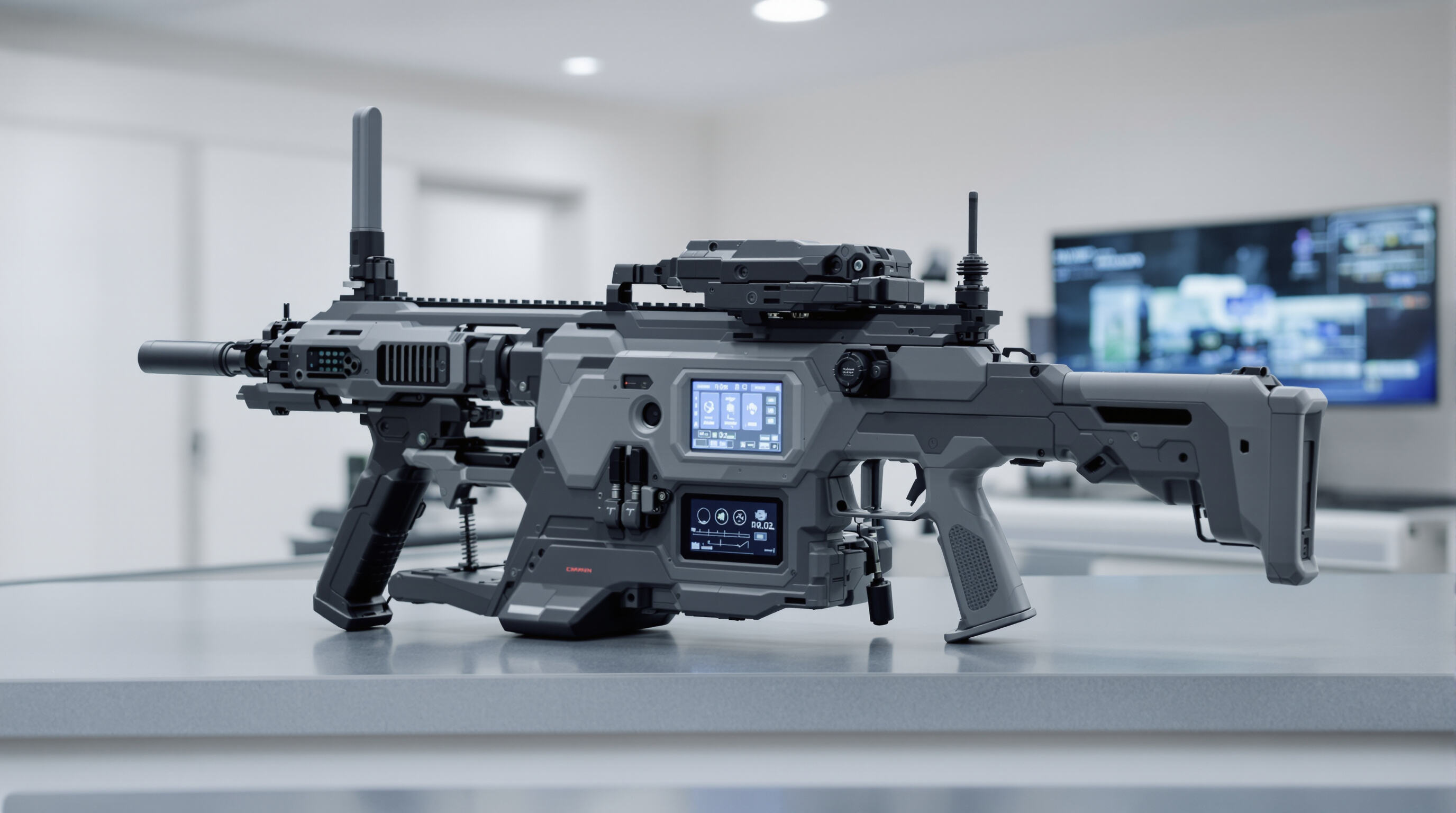
Modern anti-drone weapons rely on three main approaches to stop rogue UAVs from flying around where they shouldn't. The first technique is signal jamming, which basically cuts off communication between the drone and whoever is controlling it. This happens when the jammer sends out stronger signals on common frequencies like 2.4 GHz and 5.8 GHz that most consumer drones use. Then there's RF detection technology that spots drones based on their electromagnetic fingerprint. Some high-end systems can pick up these signals from nearly 3 kilometers away in open areas. Lastly, GPS spoofing tricks drones into thinking they're somewhere else entirely by sending them fake location information. This usually makes the drone either land immediately or head back to where it took off from. When combined properly, these different techniques work together pretty well against most consumer grade and even many commercial drones on the market today, though they don't always get every single one.
Anti-drone guns generally have several important parts that work together to stop unwanted flying devices effectively. The directional antennas help concentrate the jamming signal into beams ranging between about 30 to 60 degrees wide, which means nearby gadgets not being targeted won't get affected much. Most modern systems come equipped with multi band jammers spanning frequencies anywhere from around 0.3 gigahertz all the way up to 6 gigahertz, making them capable of messing with pretty much any kind of commercial drone out there today. Operators usually find it easier to point these weapons thanks to built in ergonomic controls, plus many models now feature screens showing what's happening on the radio spectrum in real time so folks know exactly what they're dealing with. When everything works properly, these setups can knock out drones flying as far away as one to two kilometers away, protecting things like airports and emergency response communications networks from potential threats.
Modern anti-drone tech brings together handheld signal blockers along with radar systems, radio frequency scanners, and artificial intelligence networks to create solid security coverage. The radar component gives operators eyes on targets from distances reaching around 10 kilometers away, while those RF scanners manage to identify most drone signals in just three seconds flat. Connecting all this gear to central control hubs allows automatic reactions when needed, like activating jamming signals or sending out warnings across designated areas. What makes this setup so effective is that it cuts down on mistaken identifications by roughly 70 percent over basic single-function systems. That kind of reliability matters a lot at places like international airports, defense bases, and major sporting events where unauthorized drones could cause serious problems.
Anti drone guns fall under strict federal regulations these days. Federal laws make it illegal to mess around with radio signals without permission. The Communications Act has something called Section 333 that covers this stuff, and people caught violating it face serious consequences including hefty fines and possible jail time. Around airports especially, the FAA draws a hard line against anyone using jamming equipment because planes rely on clear communication channels for safe landings and takeoffs. Imagine what would happen if an airliner lost contact with controllers right before touchdown – not exactly a scenario anyone wants.
Federal, law enforcement, and national security agencies are the only ones allowed to run counter-drone systems according to section 210G of title 6 in the US Code. or groups who mess with certified planes or get in the way of legitimate drone flights can end up facing serious felony charges, no matter where they do it. A look at data from 2022 shows something interesting about this issue. Out of all those illegal jamming cases, around four out of five happened because people didn't know enough about working with radio frequency analysis equipment. This highlights a real gap in training for anyone dealing with these technologies outside official channels.
Effective threat assessment begins with analyzing flight behavior, speed, and silhouette. A 2024 study published in ScienceDirect demonstrated that modern detection frameworks achieve 92% accuracy in distinguishing unauthorized drones from birds or authorized UAVs. Operators cross-reference detected signals with approved flight plans to ensure accurate classification and reduce false alarms.
Radio frequency analysis is critical for identifying rogue drones. By monitoring the 2.4 GHz and 5.8 GHz bands commonly used by commercial drones systems can detect anomalous transmissions while filtering out ambient wireless noise. This method confirms unauthorized operation and supports the decision to engage countermeasures.
Integrated radar systems track drone altitude and velocity in real time, while acoustic sensors locate UAVs within 500 meters. When a threat is confirmed, automated alerts notify security teams within 3 seconds, enabling rapid coordination and timely deployment of anti-drone measures.
Before activation, operators must complete a 12-point safety checklist, including RF spectrum analysis to detect non-target drones and verification of hostile intent through classification tools. According to a 2023 safety analysis of drone countermeasures, 68% of accidental jamming incidents occurred due to insufficient spectrum validation prior to use.
Anti-drone guns operate across 400 MHz¯6 GHz frequencies, posing risks to aviation transponders (1080–1090 MHz) and emergency communications. The European Union Aviation Safety Agency (EASA) requires a 3 km buffer zone between anti-drone operations and active flight paths.
| System Type | Protected Frequency Bands | Maximum Safe Jamming Range |
|---|---|---|
| Aviation | 1080–1090 MHz | 0.5 km |
| Cellular | 700 MHz–3.8 GHz | 1.2 km |
| GPS | 1176–1602 MHz | 2.0 km |
When working with these systems, operators need to put on those special RF shielded gloves and keep their equipment at about a thirty degree angle off the ground to stop signals from bouncing back. The team members talk to each other using secure AES 256 encryption so they can time their brief jamming sessions right under five seconds long while still meeting all the ITU rules about emissions. Getting certified again every year through both FAA and EASA requirements helps out a lot too. According to research from Ponemon Institute back in 2023, this kind of regular training cuts down mistakes made by people operating the equipment by around forty one percent when they go through simulators as part of their refresher courses.
Deploying these systems ethically means sticking to force proportionality standards and following established engagement protocols. Before any countermeasures get activated, operators need to verify if there's actual hostile intent through multiple checks. This includes looking at radio frequency signals, visually confirming targets, and classifying potential threats properly. When working alongside air traffic controllers and emergency response teams becomes standard practice, things start to improve significantly. The latest Aviation Safety Report from 2023 shows that this coordination approach cut down drone incidents affecting flights by around two thirds. Makes sense really, since proper communication prevents most misunderstandings in the first place.
Getting certified through proper training is absolutely necessary these days. These programs dive deep into stuff like EM spectrum rules, ways to minimize unintended effects, and what happens when systems hit their performance ceilings. Top military and government groups demand yearly checks on skills in real world settings. Think cityscapes where radio frequency interference is everywhere. According to a recent defense report from last year, folks who spent at least 40 hours practicing in simulation environments saw an amazing drop in mistakes. They had around 83% fewer false alarms than people who just got the minimum required training. Makes sense why so many organizations now insist on this kind of hands on experience before letting personnel handle sensitive equipment.
When deploying an anti-drone gun system, operators should always generate a detailed after action report that includes specifics like what frequency the drone was operating on, where it came from, how long the jamming lasted, what power settings were used, and whether the drone landed safely, got disabled, or managed to escape. Looking back at these incidents through established frameworks such as NIST SP 800-61 allows security teams to spot weaknesses in their defenses. According to recent data from the 2024 Counter-UAS Effectiveness Study, almost 6 out of 10 organizations actually revised their drone response protocols after analyzing these reports, showing just how valuable this information can be for improving overall security posture against unauthorized aerial intrusions.
Anti-drone systems primarily use signal jamming, RF detection, and GPS spoofing to counter unauthorized UAVs.
Federal, law enforcement, and national security agencies are authorized to use anti-drone guns in the U.S.
Unauthorized jamming can lead to serious felony charges and penalties, including fines and jail time.
Operators conduct a 12-point safety checklist including spectrum analysis and verification of hostile intent.
Detection systems analyze flight behavior, speed, and silhouette to distinguish unauthorized drones with 92% accuracy.