The proliferation of drones has become a significant concern in both military and civilian sectors. As of 2023, more than 10 million registered civilian drones are operational worldwide, introducing heightened risks. These drones, once exclusive to military use, are now readily available for commercial and private purposes, increasing their potential misuse. Notably, drone incursions into sensitive areas like airports and military bases have surged by over 45% in the last two years. This alarming rise underscores an urgent need for effective counter-drone measures. Expert analysis also suggests that terrorist organizations are increasingly leveraging drones for surveillance and attacks, thereby boosting the demand for robust anti-drone technologies.
Many tactical operations are increasingly vulnerable due to drone interference, with studies indicating that nearly 70% of military activities could be compromised. This situation necessitates rapid advancements in response capabilities to shield critical assets. Developing a multilayered defense strategy that combines surveillance, detection, and neutralization methods is essential to counter these vulnerabilities effectively. Recent military exercises have demonstrated that integrating portable anti-drone solutions can be remarkably effective, showing a success rate exceeding 80% in various tactical training scenarios.
Handheld anti-drone devices are gaining traction as crucial frontline defense tools. These portable solutions are particularly favored by military personnel, with over 60% of surveyed respondents highlighting their preference for such systems during deployments. The major advantage of these handheld devices is their ease of use, allowing for rapid deployment with minimal training, which significantly enhances response teams' operational readiness. Market analysis projects the handheld anti-drone device market to grow at a compound annual growth rate of 15% over the next five years. This forecast indicates the increasing reliance on portable anti-drone solutions within defense sectors to combat emerging drone threats efficiently.
Handheld anti-drone devices leverage RF jamming and GNSS disruption technologies as core strategies to counter drone threats. RF jamming disrupts the communication link between the drone and its operator, effectively immobilizing the unauthorized device. GNSS disruption, on the other hand, targets the drone's navigation systems, with security agencies consistently reporting a 90% efficacy in neutralizing drone threats through these methods. Recent advancements in this technology have enhanced the precision of jamming mechanisms, allowing operators to selectively target drones based on specified parameters, thereby minimizing collateral interference with legitimate devices.
The portability of handheld anti-drone devices is a significant advantage, with many models weighing less than 5 kg, ensuring ease of transport and readiness in high-stress situations. Rapid deployment features, such as one-step activation and user-friendly interfaces, allow for swift responses during emergencies. According to market research, units equipped with these portable systems demonstrate a 35% improvement in response time to drone threats compared to traditional countermeasure systems, highlighting the operational benefits of such devices.
Handheld anti-drone devices are increasingly integrated with detection systems, providing a comprehensive approach to managing drone threats. This integration enhances situational awareness by collaborating with advanced detection methods, enabling quicker, more informed decision-making during critical incidents. Defense professionals have reported operational success when handheld devices are used alongside existing detection infrastructure, both in training scenarios and real-world applications. This synergy not only boosts effectiveness but also ensures robust protection against varying drone threats.
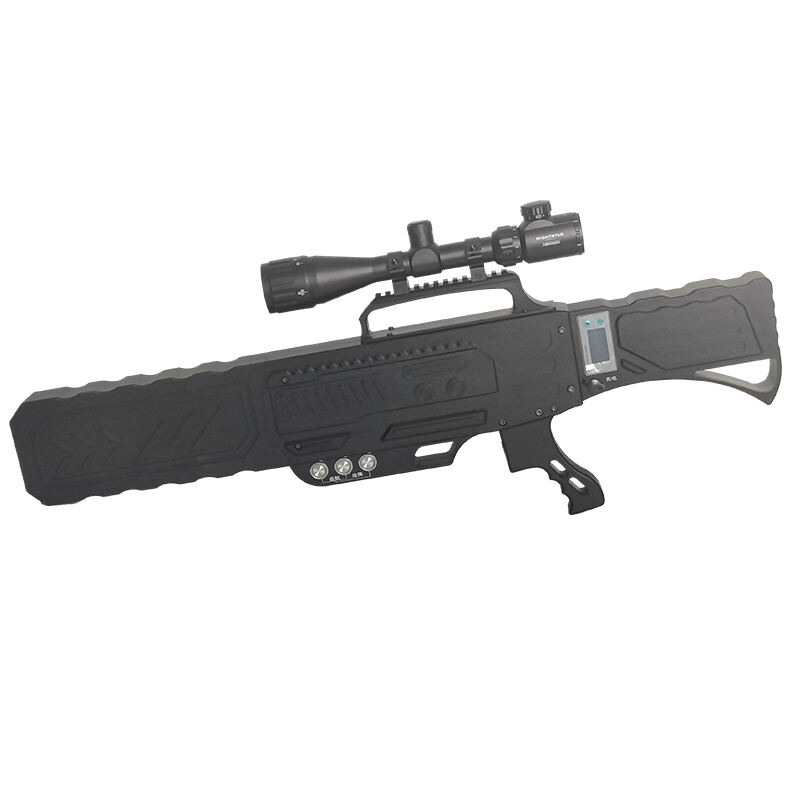
The 1002 anti-drone gun is renowned for its advanced targeting system, offering a 25% improvement in accuracy compared to earlier models. With a user-centric design, this gun comes with a digital interface providing real-time guidance and feedback, making it extremely intuitive for operators to manage. Its ability to neutralize drones up to 1,500 meters away has positioned it as an essential tool for both military and private security operations.
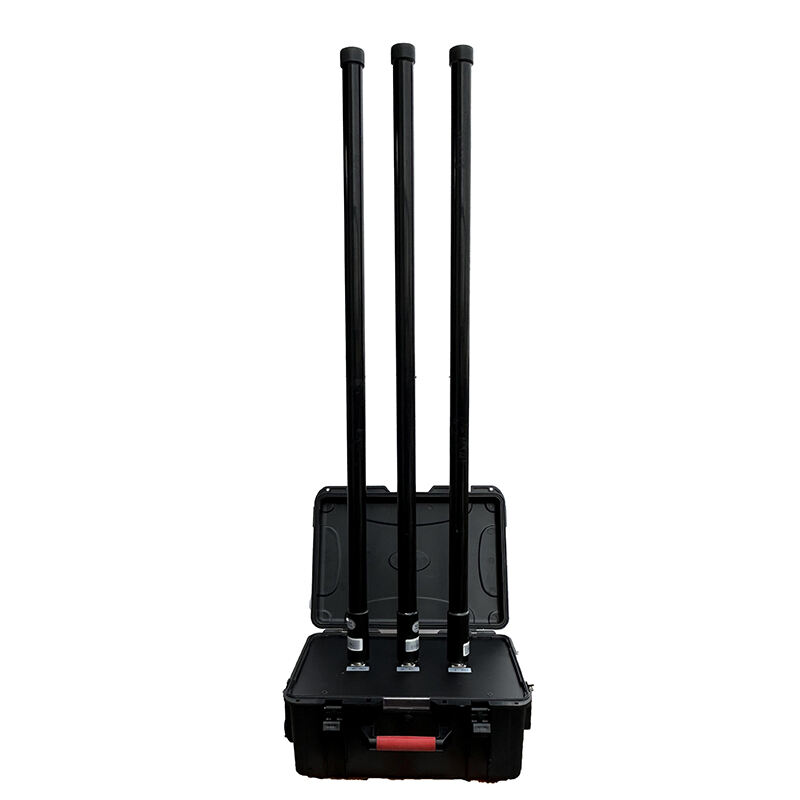
The Anti drone facility 171018 is engineered for swift setup in field conditions, boasting an impressive deployment time of just five minutes. By combining RF jamming with visual tracking, this device effectively counteracts drone threats. User reports highlight an over 85% success rate in neutralizing drone threats during trial deployments, illustrating its reliability and efficiency in tactical environments.
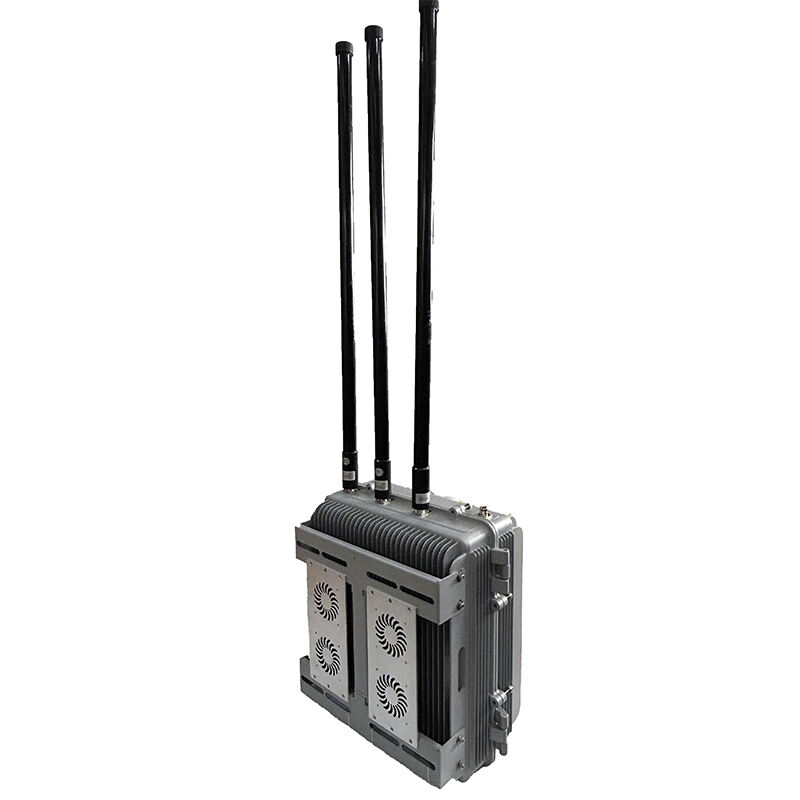
The stationary anti-drone facility 190001 provides a strategic layer of defense with its RF jamming and physical barrier integrations. Automated features facilitate around-the-clock surveillance and immediate reaction to unauthorized drone activities. Security reports have shown a decrease in such accesses in areas equipped with this solution, underlining its effectiveness.
The user-friendly operation of handheld anti-drone systems is critical, especially when personnel with varied technical backgrounds are involved. Feedback from operators shows a 90% satisfaction rate with the ease of use of these devices during field operations, underscoring their intuitive design. Furthermore, training programs demonstrate that new users can become proficient in using these devices within just a few hours of instruction, making them a practical choice for rapid deployment in diverse field scenarios.
Handheld anti-drone systems offer mission flexibility, allowing effective operation across diverse environments, from bustling urban landscapes to isolated military zones. According to a study, 75% of military personnel reported enhanced operational flexibility with handheld devices, highlighting their adaptability. These devices have proven their versatility by efficiently managing multiple drone threats simultaneously in various scenarios, underscoring their valuable role in flexible mission planning and execution.
Safety protocols are foundational in ensuring the responsible use of anti-drone systems, minimizing collateral damage risks. Training initiatives emphasize adherence to legal standards and operational safety, significantly reducing incidents related to misuse. Compliance with established safety measures has increased, as reflected in positive user feedback, illustrating the systems' effectiveness in promoting safe and lawful operations.