Signal jammers function by emitting radio frequency signals that interfere with communication between devices and their networks. To grasp their effectiveness, it's crucial to understand principles such as frequency modulation and demodulation, which detail how jammers affect targeted signals. There are different jamming techniques, such as noise jamming, which uses random noise to disrupt communication channels, and barrage jamming, which floods a frequency band to incapacitate devices. Research indicates that effective jamming mechanisms can disrupt mobile communications, GPS signals, and even Wi-Fi, influencing various applications in real-time scenarios. It's essential to classify jammers based on their operational complexity, effectiveness, and range to understand their optimal use in different environments.
Jammers come with specifications that define their operational range, which varies from a few meters to several kilometers depending on power output. Power specifications are vital; higher wattage jammers typically cover larger areas but may encounter regulatory hurdles due to their strength. To maximize efficacy and extend range, jammers can employ gain antennas and efficient energy sources. Studies categorize jamming ranges by environmental conditions, like urban versus rural settings, noting that conditions significantly impact jammer performance. Additionally, jamming ranges can be optimized further through frequency hopping and avoiding interference with other electronic systems, ensuring seamless operation.
Integrating signal jammer modules into existing security frameworks significantly enhances protective measures against unwanted communications. Real-time monitoring and automatic activation of jammers can offer a strategic advantage during emergencies, ensuring timely response to potential threats. Effective integration involves aligning jammers with surveillance systems to detect and mitigate security breaches swiftly. A case study could demonstrate the benefits realized from such cohesive operational workflows in security setups. Collaborations with law enforcement ensure the responsible use of jamming tools in sensitive scenarios, enhancing the overall security infrastructure while maintaining compliance with legal standards.
Signal jammers are indispensable in safeguarding critical infrastructure by preventing unauthorized communication and drone intrusion. Their deployment in environments such as power plants, water supply facilities, and transportation hubs is increasingly recognized as standard practice. According to statistical data, the integration of jamming technology can significantly reduce the potential for coordinated attacks on such infrastructures, thus enhancing their overall security. To ensure optimal use, jamming must be complemented by threat assessment strategies that determine the best deployment scenarios. By embracing a layered defense approach, security protocols can seamlessly integrate jammers, providing deeper insights into improving resilience against potential threats.
Signal jammers serve a pivotal role in counter-terrorism operations by disrupting communication channels amongst potential threats, thereby thwarting planned attacks. Operational teams extensively employ portable jammers during high-risk missions to maintain control over communication networks. Evidence from various counter-terrorism initiatives shows that effective jamming has been instrumental in mitigating risks to public safety. Successful deployment demands thorough planning and coordination with law enforcement to avoid unintended collateral consequences. As terrorist tactics evolve, it becomes imperative to advance jamming technologies to effectively counter emerging threats.
VIP security teams increasingly rely on signal jamming technologies to secure communication lines during convoys, ensuring they remain uncontested. These jamming systems create secure zones by blocking mobile signals, thus minimizing risks associated with devices such as remote detonations. Operational protocols emphasize the need to balance jamming deployment with maintaining communication among security personnel. Case studies reveal how jamming integrations in VIP convoys can enhance protection without compromising situational awareness. The challenges of urban environment jamming highlight the necessity for tactical planning to minimize civilian disruptions.
With the growing threat posed by rogue drones, signal jammers are a crucial asset in neutralizing unauthorized UAV operations. Tailored jamming systems can effectively disrupt communication between drones and their operators, rendering intrusions ineffective. Statistics indicate a rising demand for drone defense systems incorporating jamming technology to thwart premeditated attacks on sensitive areas. Documenting successful drone intercepts through jamming contributes valuable insights to developing robust regulatory frameworks governing these technologies. Operational guidelines advocate integrating multi-layered security mechanisms that combine detection and jamming solutions for comprehensive threat protection.
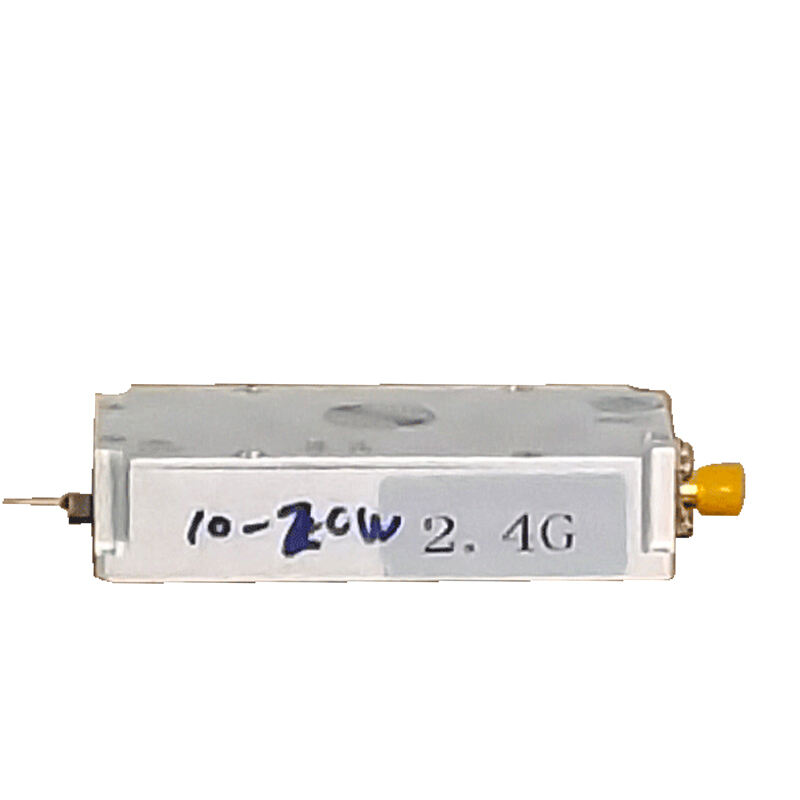
The 1.5G 10W jammer module is crafted for applications necessitating dependable signal interference, ensuring continuous functionality. Its versatility makes it ideal for disrupting signals across various platforms, from mobile devices to Wi-Fi networks. This module features a compact design paired with a high output power, allowing for efficient coverage within a radius of approximately 800 meters. It has proven its adaptability and reliability in diverse fields, supporting both civilian and military operations. Real-world feedback from customers attests to its exceptional performance, reinforcing its status as a trusted choice for maintaining signal integrity.
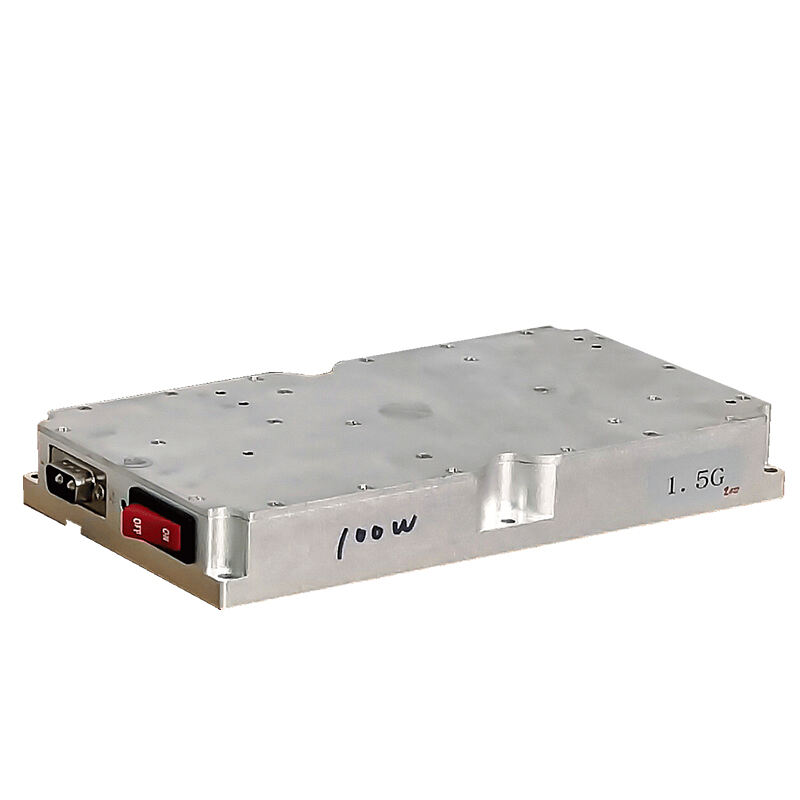
The 900MHz module stands out with its robust 100W output, designed to block multiple communication frequencies simultaneously. This capability makes it an attractive tool for comprehensive security operations, offering enhanced control over diverse signal channels. Rigorous industry evaluations reveal this module's capacity to cover extensive areas efficiently, making it effective across both urban and rural landscapes. Field application data underscores its reliability in high-stakes missions, driving the demand for such cutting-edge jamming solutions. Discussions around its power efficiency and innovative cooling mechanisms highlight key design elements that optimize its functioning under various conditions.
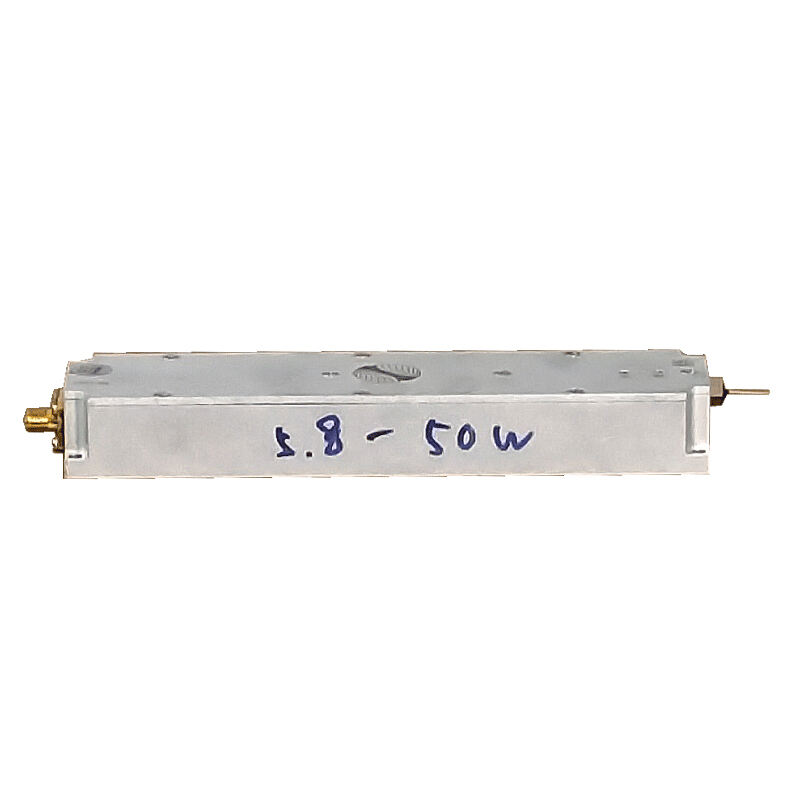
The 5.8G module, delivering a 50W output, exemplifies advanced solutions for blocking secure communications, crucial for safeguarding critical zones. This module's ergonomic build promotes lightweight and easy deployment across multiple scenarios, enhancing operational flexibility. Technical analyses authenticate its capability to interfere with secure communication channels effectively, ensuring operational security remains uncompromised. User experiences highlight its reliability under real-world conditions, reflecting its superior performance in high-pressure operations. As communication technology landscapes evolve, the 5.8G module continually adapts, aligning with evolving security needs.
Understanding the legal frameworks surrounding the usage of signal jammers is paramount for organizations to ensure compliance and mitigate risks involving penalties. Different countries have distinct regulations concerning jamming technology, and often, a license is required for legal operation. Consulting with legal experts is crucial in navigating these regulations, creating sustainable operational strategies. For instance, case studies show significant legal repercussions for illegal jamming activities, underscoring the necessity of adhering to established laws. Developing an operational guideline that aligns with legal requirements is essential for safely deploying jamming solutions and ensuring compliance across operations.
For effective deployment of signal jammers, strategic planning is essential, including site assessments and risk analyses. Initial best practices recommend conducting thorough testing in controlled environments to ensure the performance of jammers before actual field deployment. Training personnel on both operational procedures and legal implications is crucial for compliance and optimal use. Establishing feedback mechanisms helps evaluate the effectiveness of jamming deployments and facilitates improvements in future practices. Documentation and comprehensive reporting play a critical role in post-deployment reviews, aiding in refining strategies and practices for subsequent applications.