Critical infrastructure has become a prime target for drone-related threats due to its strategic significance and the accessibility of drones for adversaries. Drones, offering a low-cost and easily accessible means, have been used for surveillance and attacks, posing a significant threat to essential facilities such as power plants, airports, and military bases. Incidents worldwide have demonstrated how these devices can penetrate restricted airspace, compromising national security. With the rise of drone technology, those tasked with safeguarding such sites must remain vigilant against the ever-evolving threats.
Drones have heightened the risk of espionage, sabotage, and terrorism against critical infrastructure. By collecting sensitive data, they facilitate industrial espionage, potentially leading to financial and competitive disadvantages. Sabotage incidents, such as attacks on utility systems, underscore the vulnerability and attractiveness of infrastructure targets. Additionally, terrorist organizations have exploited drones for attacks, necessitating a surge in regulatory scrutiny. The multifaceted threat drones pose underscores the urgent need for comprehensive security measures to protect vital assets from these malicious acts.
Unauthorized drone access to critical infrastructure can result in severe financial and security repercussions. Financial losses may arise from operational downtime and physical damage, straining resources and disrupting services. Moreover, the security implications are profound, with potential privacy violations and data breaches further complicating recovery efforts. As incidents involving drones become more prevalent, insurance costs are likely to rise. This emphasizes the need for robust security strategies to mitigate the risks posed by unauthorized drone activities and to safeguard critical infrastructure.
RF jamming technology effectively disrupts the signals between drones and their operators, rendering them ineffective. This technology interferes with the radio frequencies used for drone guidance, leading to loss of control or signal disruption. However, implementing RF jamming must be done cautiously to avoid interference with legitimate air traffic communications, which are crucial for ensuring safety in areas surrounding critical infrastructure. The effectiveness of RF jamming can vary based on drone models and transmission frequencies, emphasizing the need for tailored solutions to different threats.
Detection systems are a pivotal part of anti-drone technology, employing radar, optical sensors, and AI integration to identify threats. Radar systems scan large areas, offering a proactive measure to detect drone activities early on, thus preventing potential security breaches. Optical sensors enhance reactive capabilities by providing visual identification once a threat is detected, allowing for immediate response actions. Integrating AI into these systems improves accuracy and minimizes false alerts, ensuring a streamlined approach to threat management.
Kinetic and non-kinetic countermeasures present different strategies for disabling or neutralizing drones. Kinetic countermeasures involve physical methods, such as deploying nets or projectiles, to capture or destroy drones. While effective, these methods may entail increased risks of collateral damage. On the other hand, non-kinetic options, including electronic solutions like RF jamming or GPS spoofing, disable drones without physical impact, reducing collateral damage and environmental concerns. Opting between kinetic and non-kinetic methods requires careful consideration of the specific environment and threat level, tailoring defenses to individual scenarios and regulatory constraints.
The JRC DRONE Project has been pivotal in understanding the vulnerabilities faced by military bases due to drone surveillance. By simulating real-world scenarios, the project effectively demonstrated how drones could exploit weak spots in military installations. As a result, exercises conducted under this project offered a wealth of data on the functioning and limitations of anti-drone systems. These insights were instrumental in shaping the standard operating procedures for defending against drone threats, ensuring that military installations are better prepared to handle unauthorized drone incursions.
The increasing incidence of drones breaching airport airspace highlights the urgent need for robust anti-drone measures. Various case studies have shown how effective deployment of detection and mitigation systems can significantly enhance airport security. By integrating advanced technologies such as radar and AI, airports can swiftly identify and neutralize rogue drones. Such collaboration among aviation authorities and security agencies is crucial, leading to more coordinated and effective regulatory measures against these potential threats.
Drone incursions into oil facilities have spotlighted the vulnerabilities in energy infrastructure security. Implementing comprehensive anti-drone solutions has been essential in protecting these critical assets. Case studies reveal that adopting a multi-layered defense strategy, which includes both surveillance for early detection and active countermeasures, proves most successful. This approach not only enhances the protective measures around power grids and oil facilities but also establishes a framework for proactive threat management in the energy sector.
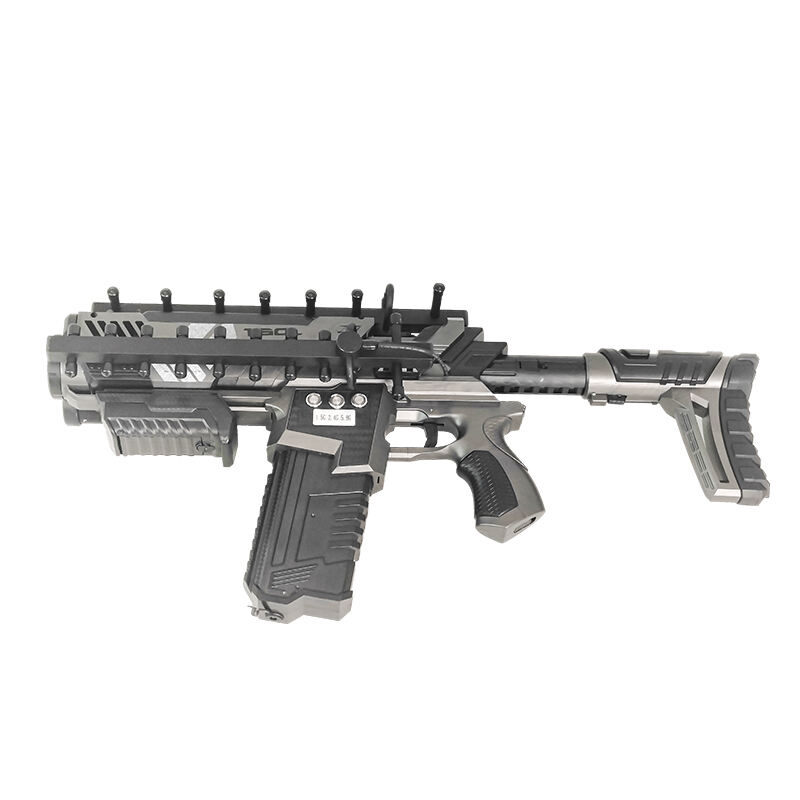
The 866 Anti-Drone Gun stands at the forefront of anti-drone technology, providing a state-of-the-art solution specifically tailored for military defense. Its highly portable design allows security personnel to swiftly deploy it across various terrains, ensuring robust protection wherever needed. The ease of use offered by user-friendly controls further enhances its operational efficiency, enabling rapid response during emergencies.
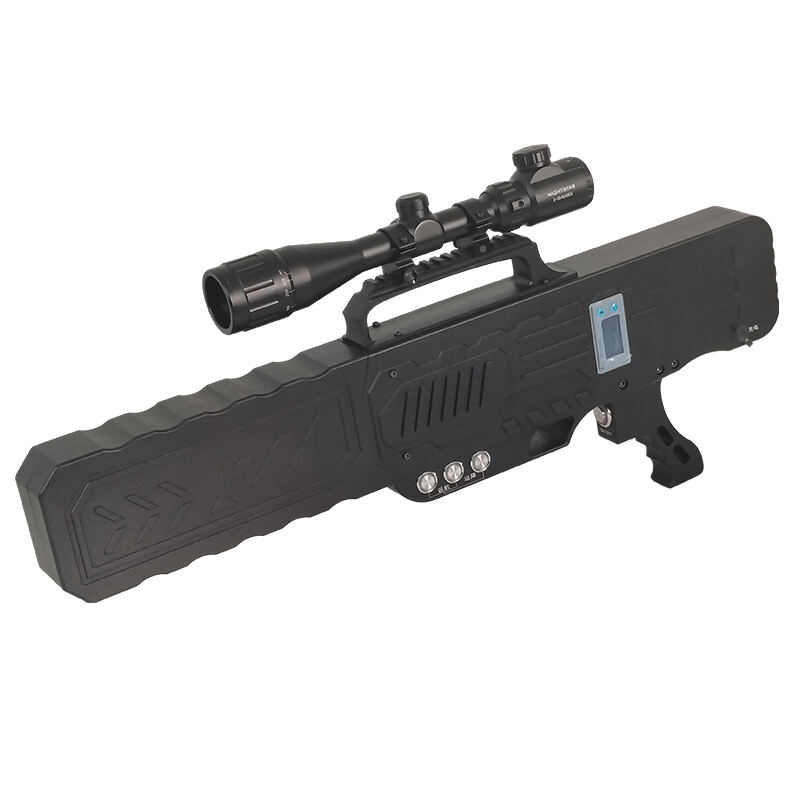
The 1001 Anti-Drone Gun offers unmatched precision in targeting, making it a formidable tool for perimeter security. With an extended range that permits engagements over longer distances, it significantly bolsters defense capabilities against aerial threats. Adaptability is a key feature of this system, allowing its integration into various mission profiles, irrespective of specific operational requirements.
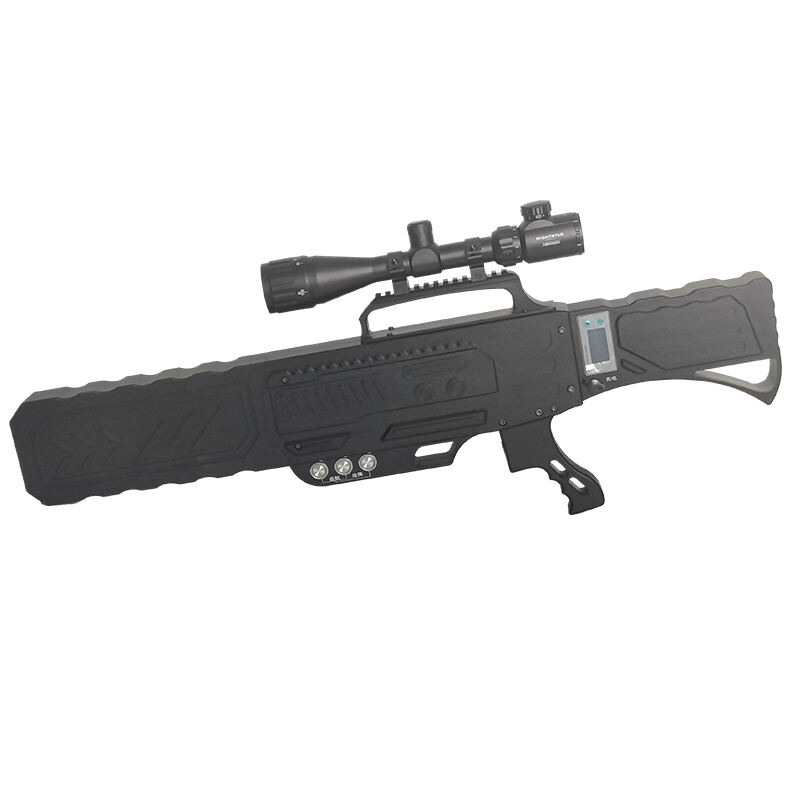
The 1002 Anti-Drone Gun excels in its advanced neutralization capabilities, adeptly adapting to a variety of drone types and sizes. With upgradable channels, this system remains resilient as drone technologies advance, ensuring it continues to serve as a valuable asset. Its versatile operational modes empower security forces to respond effectively to various threats, tailoring their approach to meet specific challenges.
Understanding and adhering to both local and federal regulations is crucial when implementing anti-drone measures. This ensures the legality of operations while reducing the risk of legal repercussions or liabilities due to unauthorized interference. In particular, compliance with regulatory frameworks helps avoid conflicts with aviation laws, safeguarding both the operation and the organization. To achieve this, consulting with legal experts is indispensable, as they can ensure that the strategies align with aviation laws and mitigate any potential legal issues.
Balancing operational security with airspace regulations poses a significant challenge in counter-drone measures. It's essential to maintain effective security without disrupting aviation protocols. Proactively engaging with aviation authorities can help align security measures with airspace management, ensuring that security objectives do not compromise air traffic safety. To aid decision-making processes, adopting a comprehensive risk assessment framework is vital. This approach considers both the security needs and regulatory demands, allowing for informed decisions that safeguard both air travel and infrastructure.
Implementing anti-drone technologies successfully depends significantly on training and system integration. Training personnel is vital to ensure they can effectively operate these systems during real incidents. Comprehensive system integration enhances the readiness for drone threats by providing a unified response framework. Regular drills and simulations are also crucial, as they keep personnel prepared and can significantly reduce response times in actual incidents. By adhering to these best practices, organizations can optimize their defenses against unauthorized drones, ensuring both security and operational continuity.