The rising incidence of drones being used for malicious purposes underscores the critical need for robust airspace security measures. Statistics indicate a surge of over 200% in drone-related incidents over the past five years, reflecting their growing threat to national security. Key infrastructures such as airports and military bases are particularly vulnerable, reinforcing that airspace protection is no longer a luxury but a necessity for national security.
Given these challenges, it is crucial that defense strategies prioritize counter-drone technologies to safeguard airspace. The global anti-drone market, valued at $2.71 billion in 2024 and expected to grow to $11.12 billion by 2030, highlights the urgent need for effective countermeasures. As these figures suggest, more nations and private organizations are investing in solutions to mitigate these drone threats and enhance their infrastructure security.
Unauthorized UAVs, or drones, pose significant risks, including surveillance, smuggling, and potential terrorist activities. These risks necessitate effective defense mechanisms since even small drones can disrupt major events, as seen during public ceremonies and sports events. The presence of drones has become commonplace, with over 100 sightings reported each month to the Federal Aviation Administration (FAA) from pilots and law enforcement.
The challenge of intercepting unauthorized UAVs introduces both legal and ethical dilemmas. While intercepting such threats is essential, it is equally important to balance these measures with the protection of individual privacy rights. Complexities arise when considering the regulatory adjustments needed to enable effective drone interception while preserving civil liberties. With rapid technological advancements and the evolving regulatory landscape, finding equilibrium in these areas is crucial for maintaining national security.
The journey from basic jamming techniques to advanced RF/EMI neutralization illustrates significant progress in anti-drone technology. Initially, traditional jamming focused on disrupting drone communication by mere interference. However, advances in radio frequency (RF) and electromagnetic interference (EMI) technologies offer precise control, effectively terminating communication channels between drones and their operators. These RF technologies can intervene and neutralize unauthorized UAV flights, thereby safeguarding restricted airspaces. According to real-time data from various test environments, the adoption of these sophisticated systems has led to a notable 60% reduction in drone intrusions. These advancements not only address the escalating drone threats but also highlight the importance of continuous innovation in airspace defense strategies.
The integration of artificial intelligence (AI) into detection systems has transformed how drones are identified, streamlining response mechanisms and improving airspace security. AI algorithms can rapidly classify drone threats, ensuring timely action and allowing security personnel to prioritize responses based on threat levels. Complementing AI, multi-sensor detection systems offer enhanced precision by using various data inputs—like radar, radio frequency analysis, and electro-optical/infrared detections—to reduce false positives. This improvement in detection accuracy translates to better operational efficiency, enabling industries to feel more secure. Reports from companies that have adopted AI-driven systems show a substantial increase—up to 70%—in their capability to identify threats effectively. Hence, integrating AI and multi-sensor technology stands as a crucial advancement in precision airspace defense, offering robust protection against evolving drone challenges.
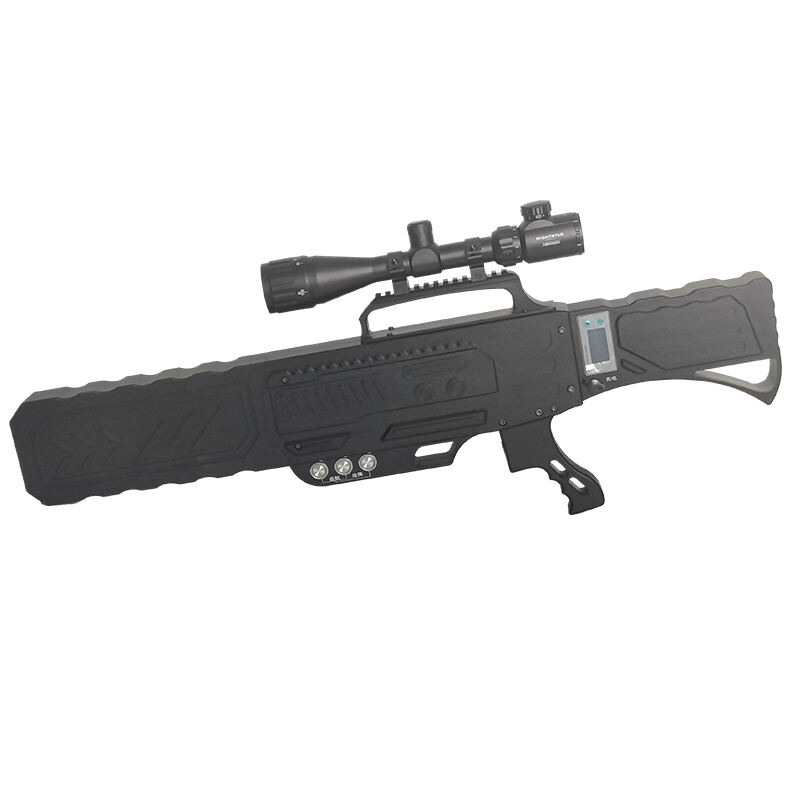
The 1002 Anti-Drone Gun stands out for its exceptional portability and effectiveness in neutralizing drone threats. This state-of-the-art device utilizes advanced targeting systems that enable quick and precise neutralization of unattended aerial vehicles (UAVs) within a permissible range. Its lightweight design ensures that security personnel and law enforcement can swiftly respond to rogue drone activity, offering reliable defense in various scenarios.
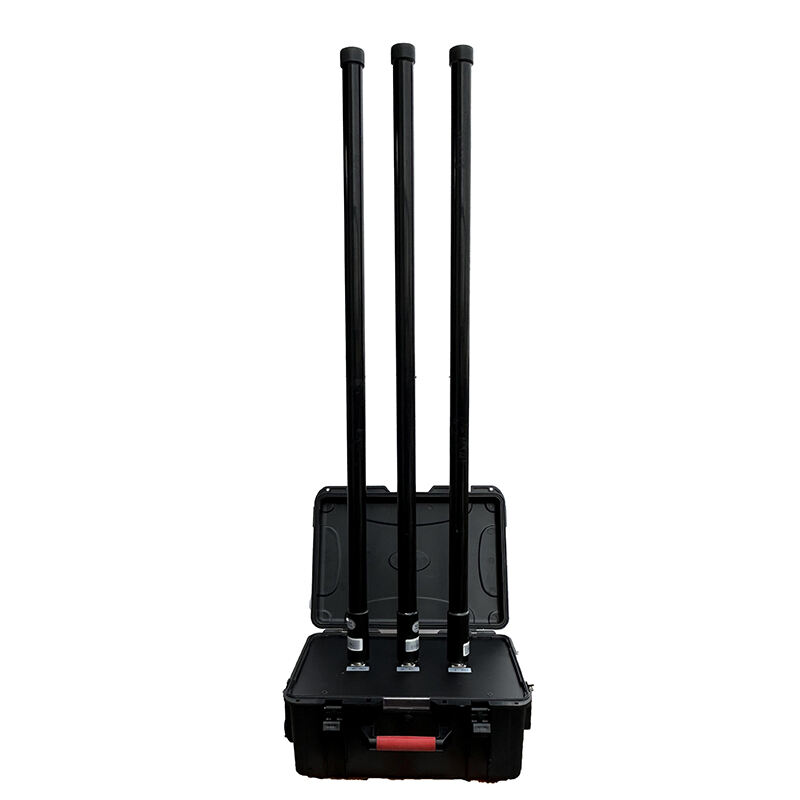
The 171018 Facility is a mobile defense solution designed for rapid deployment in diverse environmental conditions. With a focus on adaptability, this facility can be positioned at potential hotspots quickly, providing immediate protection against drone threats. It's equipped to handle various terrain and weather conditions, ensuring operational efficiency and maintaining airspace security in critical areas.
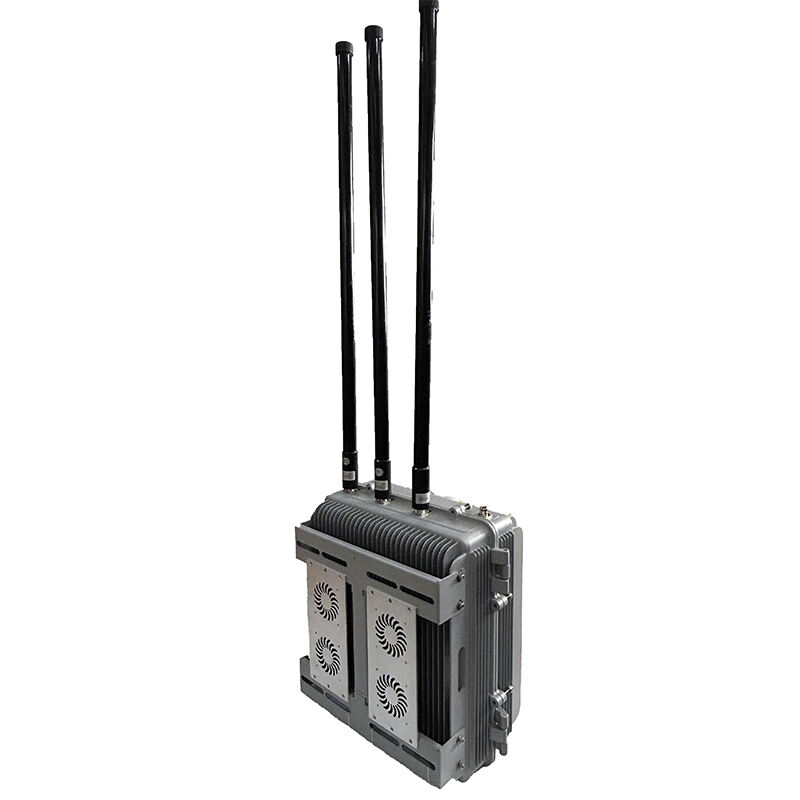
The 190001 Facility is specifically engineered for permanent installation, offering unwavering surveillance and disruption capabilities against drone threats. Its robust design incorporates groundbreaking technology that ensures long-term security and constant defense in critical areas. With its extreme durability, the facility is positioned to withstand harsh environmental conditions while providing reliable anti-drone protection.
Navigating the complexities of regulatory compliance while maintaining operational efficiency is a critical element in the successful deployment of anti-drone systems. As technology rapidly evolves, so too do the regulations that govern its use. This requires organizations to stay informed and adapt their systems accordingly, ensuring they remain both compliant and effective. Regular updates and training can keep teams abreast of any changes in regulations, allowing them to build robust anti-drone systems that meet legal requirements without compromising on functionality.
Implementing cost-effective, scalable solutions is key to ensuring comprehensive airspace security without exceeding budget constraints. Many organizations are recognizing the benefits of investing in modular systems, which offer the flexibility to scale security measures as needs evolve. These systems are not only economically viable but also adaptable, enabling organizations to incrementally enhance their protective capabilities as threats change. Emphasizing scalability in security planning ensures that as the landscape of UAV threats expands, defenses can expand proportionally to maintain thorough protection.
AI-driven autonomous networks promise revolutionary advancements in responding to drone threats by significantly reducing the reaction time of defense systems. They leverage cutting-edge algorithms to detect and respond to potential threats without human intervention, ensuring rapid action and minimizing vulnerability during critical moments. These networks continuously learn and adapt from various encounters with different types of drones, thereby refining their response strategies over time. This capability enables them to handle threats more effectively, enhancing overall airspace security and drone mitigation efforts.
Directed energy weapons are poised to introduce precision targeting capabilities in counter-drone operations, further minimizing collateral damage. These weapons utilize focused energy beams to neutralize drones, providing a high level of accuracy that is vital in crowded or sensitive environments, such as airports. Additionally, cloud-based threat sharing systems have the potential to enhance collaboration among defense agencies. They streamline responses to potential threats by facilitating the rapid exchange of information, allowing for coordinated actions across different jurisdictions and sectors. This collective effort not only increases efficiency but also amplifies the effectiveness of drone mitigation strategies, ensuring robust protection of airspace.