RF signal detection plays a critical role in anti-drone defense by leveraging the electromagnetic spectrum to identify and communicate with drones. Understanding how RF signals operate, especially in the context of drones, is crucial for effective detection and intervention. Key components of RF detection systems include antennas for signal capture, receivers to convert signals, and processors to analyze the data. Using these tools, specific frequency ranges essential to drone communications can be targeted, potentially allowing for the decoding and interrupting of these signals. Technological advancements have significantly improved RF detection capabilities, providing more robust anti-drone operations.
In anti-drone defense, filtering out background noise is key to isolating potential threats. This involves using advanced techniques to distinguish drone communication signals from other RF signals present in the environment. The characteristics of drone signals, such as their frequency and modulation patterns, differ from typical RF signals used in daily communications. Real-world scenarios highlight how successful differentiation of false signals from genuine threats can enhance security measures. With advanced algorithms, detection accuracy is improved, reducing false positives and boosting the efficacy of anti-drone operations.
Signal analysis is pivotal in real-time identification of drone types and operational modes. By employing classification algorithms, various threats can be categorized based on the intricacies of their signal profiles. Statistical analysis reveals that precise signal classification significantly increases the success rate of neutralizing potential drone threats. These systems, when integrated with other surveillance technologies, offer a comprehensive and enhanced situational awareness, allowing for informed and timely responses to drone incursions.
Protocol analysis is an integral part of understanding drone communication. Drones often utilize common communication protocols like Wi-Fi and Zigbee, which require detailed analysis to assess potential threats. Techniques such as capturing and monitoring these communications allow us to evaluate unauthorized drone activities effectively. Case studies have shown instances where protocol analysis successfully identified and prevented threats posed by unlicensed drones. Looking forward, the field of protocol analysis is poised to evolve, with developments aimed at enhancing security measures and making systems more resilient to protocol exploitation.
Incorporating machine learning into signal analysis systems significantly enhances the ability to accurately identify drone patterns. By using complex algorithms, these systems can distinguish between drone flight patterns and non-threatening activities, thereby reducing the likelihood of false alarms. Studies show that integrating machine learning in anti-drone systems improves detection efficacy remarkably. However, it comes with challenges such as data privacy concerns and algorithmic bias. Balancing these considerations is essential to ensure ethical and effective deployment of these advanced technologies.
Multi-layer detection systems offer a robust solution against drone threats by combining radar, RF, and optical technologies. These systems provide a synergistic approach that vastly improves the reliability and accuracy of threat detection. Real-world implementations of multi-layer methodologies have proven successful in securing various environments, such as events and key installations. Quantifiable improvements include extended detection range and enhanced accuracy, underscoring the need for integrating these sophisticated systems to address evolving drone threats efficiently.
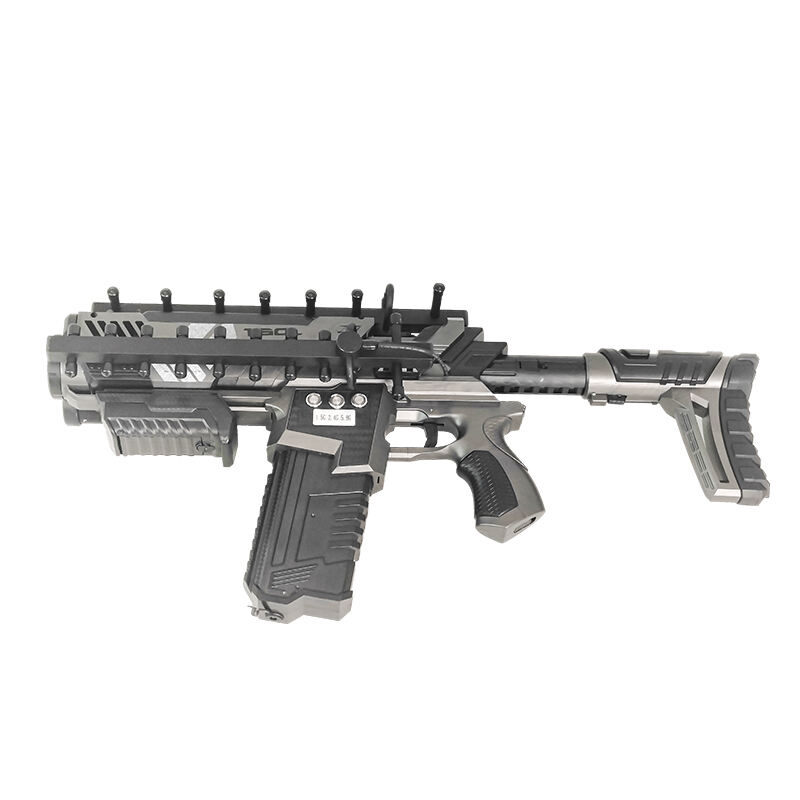
The 866 Anti-Drone Gun stands out as an essential tool for military defense and high-security operations. Its specifications reveal a robust set of capabilities, such as effective jamming using three distinct channels and a substantial jamming distance of over 1000 meters. It offers precise control modes that ensure drones either land or are expelled, making it crucial for maintaining airspace security. Utilizing advanced signal analysis, the 866 model can pinpoint and neutralize drones with impressive accuracy. User feedback highlights its significant performance metrics, especially in high-pressure defense scenarios. The ease of use and portability enhance its demand among security personnel involved in safeguarding critical infrastructure and large-scale events.
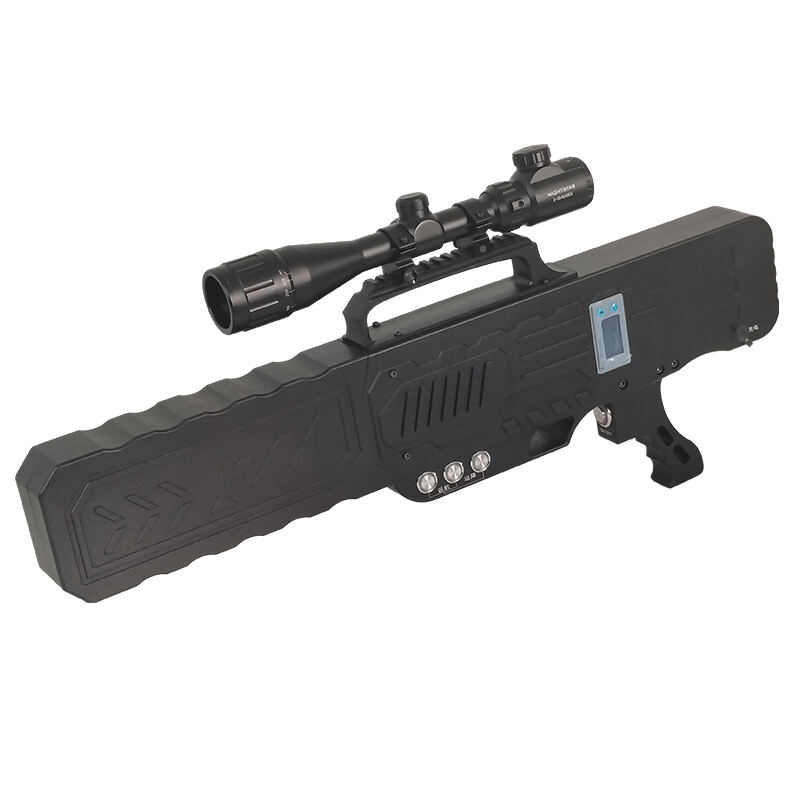
The 1001 Anti-Drone Gun is designed with a high-precision aiming system, distinguishing it in the realm of precision targeting. This system is equipped with enhanced signal analysis that decisively contributes to its remarkable aiming accuracy. Its deployment in high-stakes environments has been documented, showcasing its high success rate in neutralizing drones efficiently. Featuring improved specifications like an increased jamming distance of up to 1,500 meters, the gun also benefits from user-friendly design elements and intuitive interfaces. User statistics consistently highlight its effectiveness, with numerous successful drone neutralizations attributed to its precise targeting and advanced jamming technology.
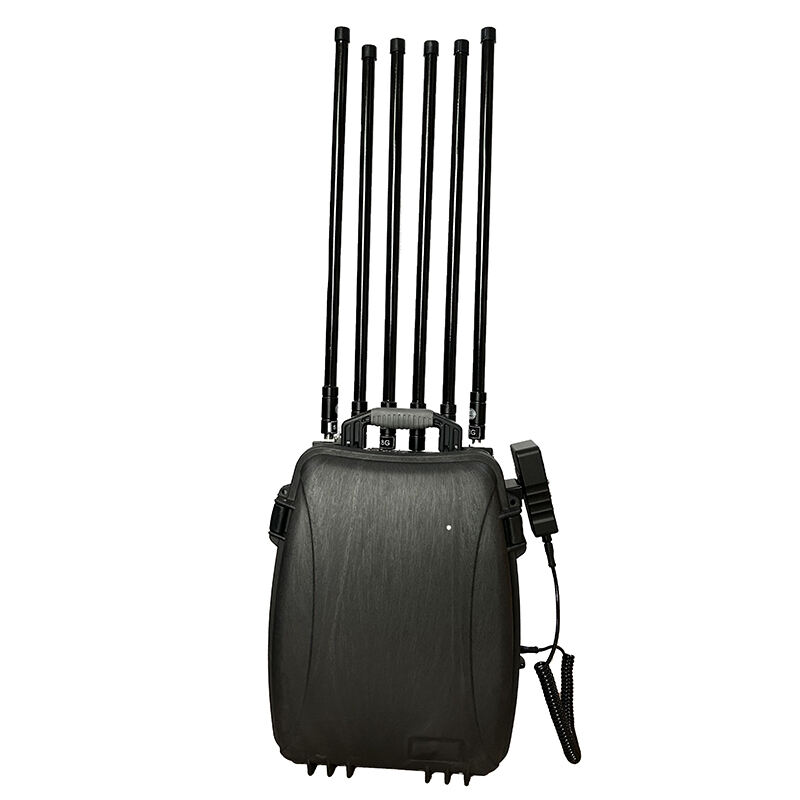
The Anti-Drone Facility Backpack brings an innovative approach to portable defense solutions. Its design incorporates advanced detection capabilities equipped within a compact, backpack layout, making it exceptionally versatile. This facility allows users to protect various environments with minimal training, contributing to its expansive operational potential. When compared to larger stationary systems, it demonstrates equivalent effectiveness, providing a robust alternative for those with mobility needs. Feedback from users often emphasizes its operational success and adaptability across different scenarios, particularly in environments requiring flexible defense mechanisms. The backpack design significantly enhances mobility without sacrificing performance, making it popular for rapid deployment in diverse situations.
False positives in signal intelligence can significantly impair anti-drone operations by generating misleading alarms. These instances divert attention from genuine threats and may lead to strategic resource misallocation. To tackle this, enhancing signal analysis techniques is crucial, employing filters and algorithms that reduce false alert rates. However, signal jamming technology presents persistent challenges, capable of disrupting communication and surveillance systems integral to signal intelligence. It is vital to employ countermeasures such as frequency hopping and advanced encryption methods to mitigate signal interference. For example, numerous incidents have reported how signal jamming disrupted UAV operations, underscoring the need for robust counter-strategies.
Swarm tactics employed by nefarious entities pose considerable challenges to conventional defense mechanisms. These tactics involve the simultaneous deployment of multiple drones, overwhelming and potentially circumventing existing defenses. Signal analysis strategies, including advanced real-time data processing and machine learning models, have emerged as powerful tools to detect and neutralize drone swarms effectively. Research has shown that adaptive signal processing is integral to countering evolving threats, particularly as malicious actors continually refine their tactics. Collaborating with cybersecurity experts enhances the understanding and dismantling of swarm capabilities, ensuring more resilient defense systems.
Deploying anti-drone technologies in urban settings introduces a set of unique challenges, predominantly due to signal interference from dense infrastructure and high population density. These factors can disrupt signal pathways and reduce the efficiency of detection and neutralization systems. Solutions are being explored to overcome these hurdles, focusing on ultra-wideband technology and enhanced signal filtering to improve operational capabilities. Ongoing research continues to refine these techniques, as evidenced by successful cases where urban deployments have mitigated threats without causing collateral damage. This demonstrates the potential of advanced anti-drone systems to operate effectively even under the demanding conditions of urban environments.