Cities are dealing with serious security issues as hobbyist drones keep getting better tech and cheaper prices. Bad actors have started using them for all sorts of trouble including spying on people, sneaking stuff across borders, and even messing with vital infrastructure like power grids. Look at what's happening at airports lately - reports of rogue drones flying where they shouldn't jumped by almost 140% after 2020 according to recent data. And about 4 out of every 10 of those incidents involved drones carrying dangerous cargo that could be used to deliver bombs or smuggle illegal goods into restricted areas. These aren't just numbers on a spreadsheet anymore.
The 2018 Gatwick Airport shutdown illustrates urban vulnerabilities—a single rogue drone grounded 1,000 flights, causing $75 million in losses. Similar disruptions now occur weekly at sports stadiums and government buildings, where drones evade detection by flying below radar coverage or mimicking bird signatures.
Regulators face the challenge of enabling beneficial drone applications—such as emergency deliveries and infrastructure inspections—while preventing misuse. The FAA's 2023 Airspace Integration Framework mandates real-time tracking for all drones above 250g, a rule that burdens small operators but fails to deter malicious actors using sub-250g models.
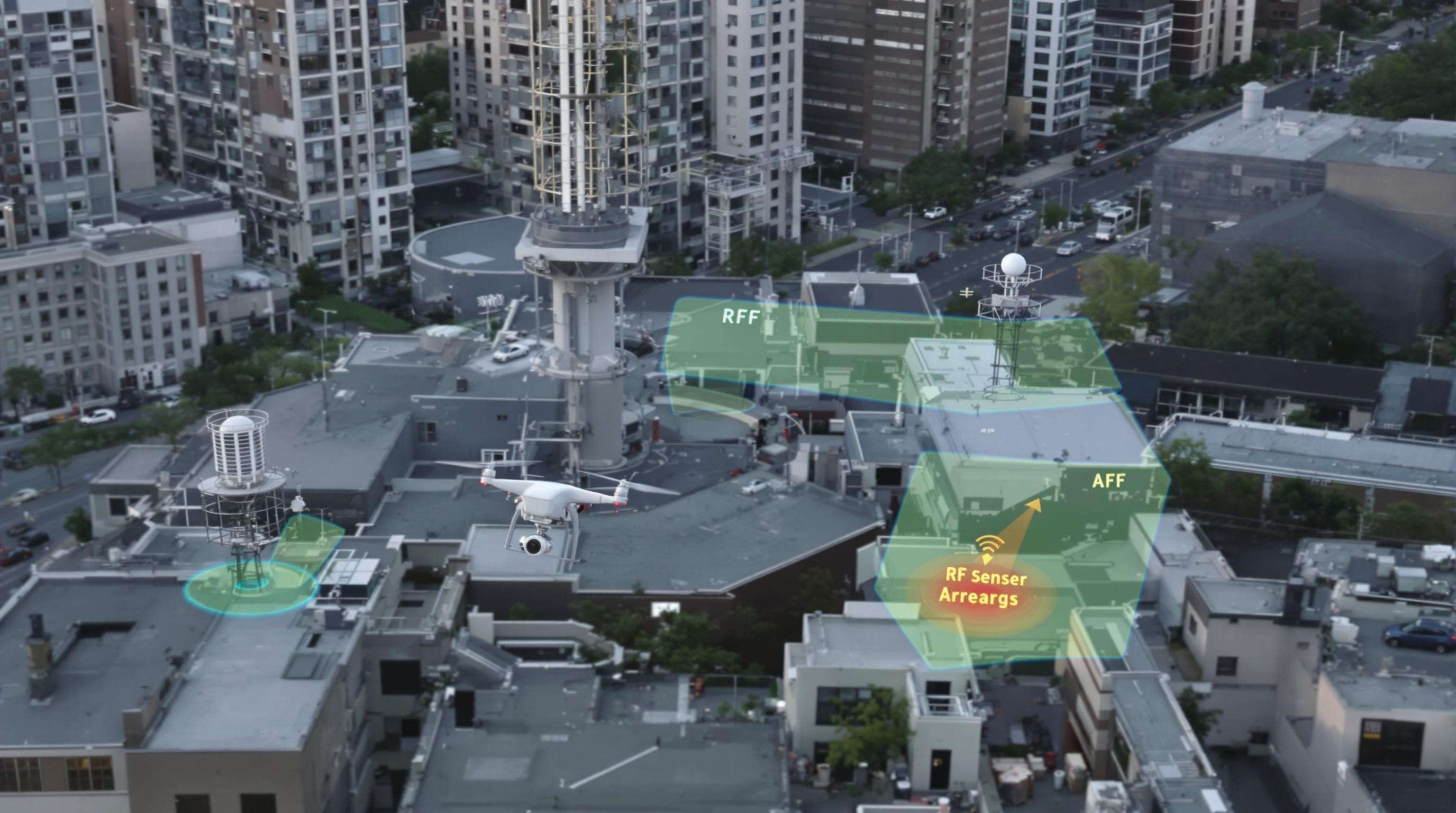
In today's cities, finding drones requires combining different sensing technologies because regular methods just don't cut it against all the background noise and obstacles. RF scanners pick up the radio signals controlling the drones, while radar keeps tabs on where they fly through crowded urban areas. Thermal cameras come into play when visibility drops, spotting the warm bodies of flying devices even at night when everything else is dark. Some tests done last year found that systems which mix these approaches catch small drones weighing less than 2 kilograms about 92 times out of 100, whereas plain old radar only manages around two thirds of those detections.
Modern AI systems can handle input from at least seven different kinds of sensors these days, things like sound detectors and cameras that recognize images. When all these sensors work together, they cut down on those annoying false alerts caused by birds flying around or random bits of trash getting picked up by the wind. According to the Urban Air Security Report for 2024, this combination knocks out about 83% of such mistakes. The machine learning behind these systems has been fed data from well over 10 thousand actual drone flights. What does this mean? Well, security setups can now tell pretty quickly whether something in the air is just a regular delivery drone doing its job or something that might pose a risk near places where safety matters most.
Modern defense systems can launch countermeasures just under a second after detecting a threat, which is roughly three times quicker than what humans can manage manually. The response scale starts simple with things like GPS interference against basic consumer drones and moves up to more sophisticated methods such as focused radio disruption for professional grade equipment. Around 40 percent of city security companies have adopted automated systems to stop unauthorized flights near sensitive locations these days. However, there are still rules in place that restrict certain types of physical interventions in areas where regular people live and work, creating something of a Catch-22 situation for security teams trying to balance effectiveness with public safety concerns.
The risk to urban infrastructure from rogue drones is becoming a serious concern these days. Facilities like power stations, water treatment centers, and transportation hubs need sophisticated defense systems that mix radar tech, radio frequency detectors, and optical sensors to stop things like package drops, spying, or mid-air crashes. Many big airports now use thermal cameras alongside regular air traffic monitoring to spot those pesky little flying machines hovering around runways at night when visibility is low. Looking at ports, security teams are stepping up their game with multiple layers of protection. According to recent data from the Urban Security Survey released last year, almost seven out of ten operators managing essential services reported some kind of drone intrusion attempt over the last eighteen months. That's pretty alarming considering what could happen if someone gets through those defenses.
Cities packed with people need special approaches that catch what matters but don't raise alarms over nothing. Take urban data centers these days they've started rolling out those frequency hopping RF scanners just to keep tabs on all those encrypted commercial drones buzzing around. For bridges and tunnels, the focus is on covering the vertical space since most threats come flying in low where traffic can't afford disruptions. And energy plants? They're getting smart with AI tools that tell apart regular delivery drones from troublemakers. The tech works pretty well too about 90 something percent accurate according to testing, though nobody claims it's perfect yet.
Big city events packed with people face serious risks from rogue drones these days. We've seen everything happen - paparazzi type drones spying on concertgoers to actual close calls where emergency choppers had to dodge flying gadgets mid-air. Most venues have started setting up fancy detection gear now. They use radio frequency sensors alongside heat spotting cameras to watch an area about half a kilometer around the event space. But according to a recent security check in 2024, roughly 4 out of every 10 event organizers still can't tell the difference between hobbyist drones and the real troublemakers when there's just too much air traffic buzzing around.
Urban airspace management faces serious roadblocks because of overlapping jurisdictions and old school policies that just don't work anymore. Cities from Miami down south all the way to Seoul in Asia have had no choice but to roll out their own local drone rules since there's no standard framework nationwide. Some recent regulations now demand real time tracking logs for heavier drones above 250 grams, but let's face it, nobody really enforces these things consistently. Airports and major transit centers are starting to experiment with smart systems powered by artificial intelligence. These tools can spot rule breaking drones while still letting legitimate business flights operate normally, which is kind of impressive when you think about it.
Getting people behind anti-drone efforts really comes down to finding the right mix between keeping things secure and respecting personal space. According to a survey from Urban Governance in 2023, around two thirds of folks back having some way to spot drones flying near schools, though most draw the line at widespread monitoring in their neighborhoods. Take Amsterdam for instance where city officials have started testing online dashboards showing what gets intercepted without revealing who or where exactly. This kind of openness helps build trust between police departments and regular drone users at the same time it keeps critical infrastructure safe from unwanted intrusions. The Dutch model shows how transparency can actually bridge gaps rather than widen them when dealing with these tricky technology issues.
The market for Counter-Unmanned Aerial Systems (C-UAS) is expanding rapidly, clocking in around 42.8% compound annual growth right now because cities everywhere are getting more concerned about security issues. Urban areas especially need these defenses since so many important buildings and structures are at risk from drones flying too close. According to recent reports, nearly seven out of ten operators experienced some sort of drone intrusion last year alone. As a result, both government agencies and businesses have started investing heavily in advanced detection technologies that combine multiple sensors together. They're also building specialized facilities specifically tailored for fighting off drones in crowded cityscapes where traditional methods just don't work as well.
According to Grand View Research, cities will spend around 3.2 billion dollars on anti-drone tech by 2027, growing at about 26.5% each year as new threats keep coming up all the time. The US and Canada are already ahead of everyone else, grabbing roughly 34% of the world market because they've been putting these systems into action at major airports and big sports venues for years now. At the same time, artificial intelligence is making it easier to spot those tiny drones that regular radar often misses something that became really obvious after several close calls last year when hobbyist drones almost crashed into commercial planes during takeoff and landing.